

Survey
We sent out our surveys to people interested in purchasing authenticated vintage furniture online in order to understand who they are and how they currently shop.
Retrouvé is a trustworthy, well-structured, curated app dedicated to vintage furniture. It makes online shopping more convenient, transparent and reliable, so shoppers can feel fully confident when purchasing secondhand furniture.
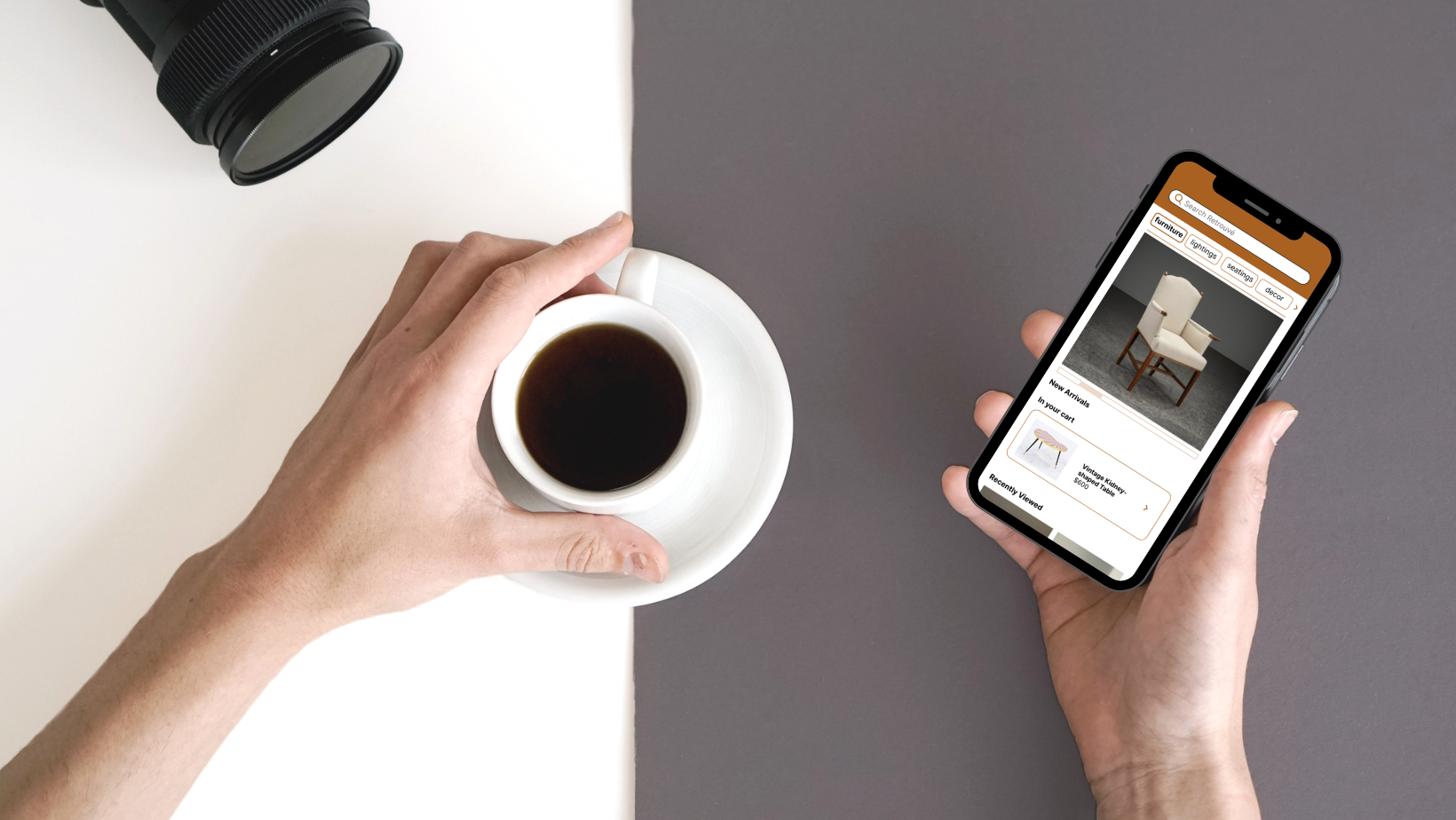
In this group project, we created an app that enables a smooth and intuitive experience for browsing and retrieving vintage furniture through a structured and visually calm platform.
How can we design an online vintage furniture experience that feels curated and calm, while providing the trust signals and detailed information users need to purchase confidently?
In order to have a clear understanding about the target customers, their pain points, what they expect to find in an online furniture app and what our competitors are doing, we took the following steps.
We sent out our surveys to people interested in purchasing authenticated vintage furniture online in order to understand who they are and how they currently shop.
We interviewed our target users to better understand their needs and expectations, as well as learn about the process for browsing and purchasing vintage furniture online.
We synthesized interview insights and highlighted the most critical ones. Four key factors shaping decisions: search filtration, photos/videos, condition, and dimensions.
We developed a contextual scenario to capture the real-world situation in which users search for vintage furniture and identify needed trust signals.
We defined a key path scenario to focus on the most important user goal to reduce uncertainty and support informed decision-making.
We compared platforms like AptDeco, Chairish, Pamono, Furniture Buy Consignment and 1stDibs to learn how we can improve the experience and reduce friction.
Our research showed that users approach online vintage furniture shopping as a deliberate and reflective process rather than an impulsive one. Most users spend significant time browsing before committing, often saving multiple listings and comparing options across platforms.
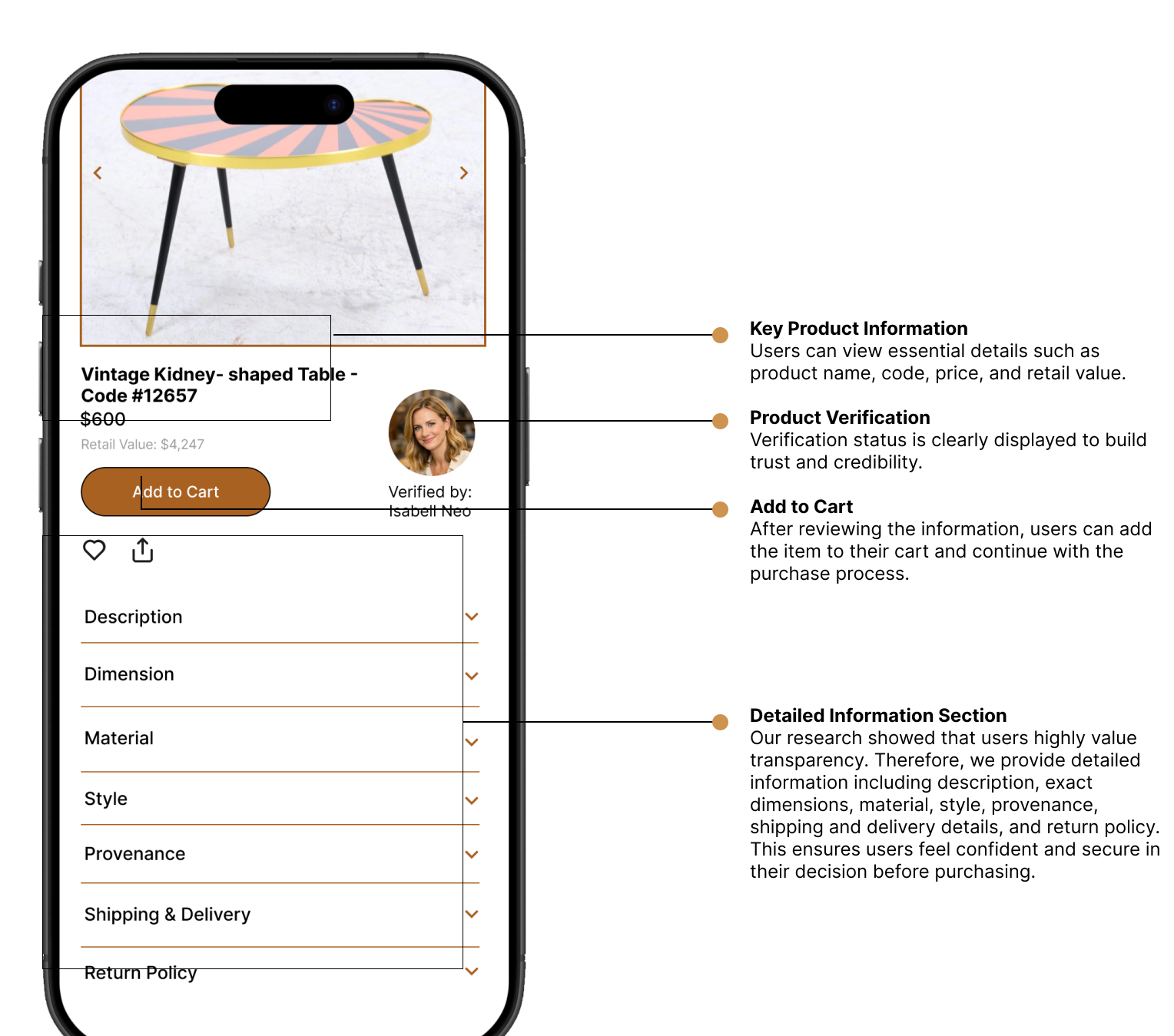
A major pain point identified was the lack of complete and reliable information in existing marketplaces. Users reported frustration with listings that include poor-quality or insufficient photos, missing dimensions, unclear condition descriptions, or no material details. This information gap creates hesitation and erodes trust.
Another key finding was the strong fear of mismatch between listing and reality. Several users referenced past negative experiences where the item’s actual condition did not match the photos or description.
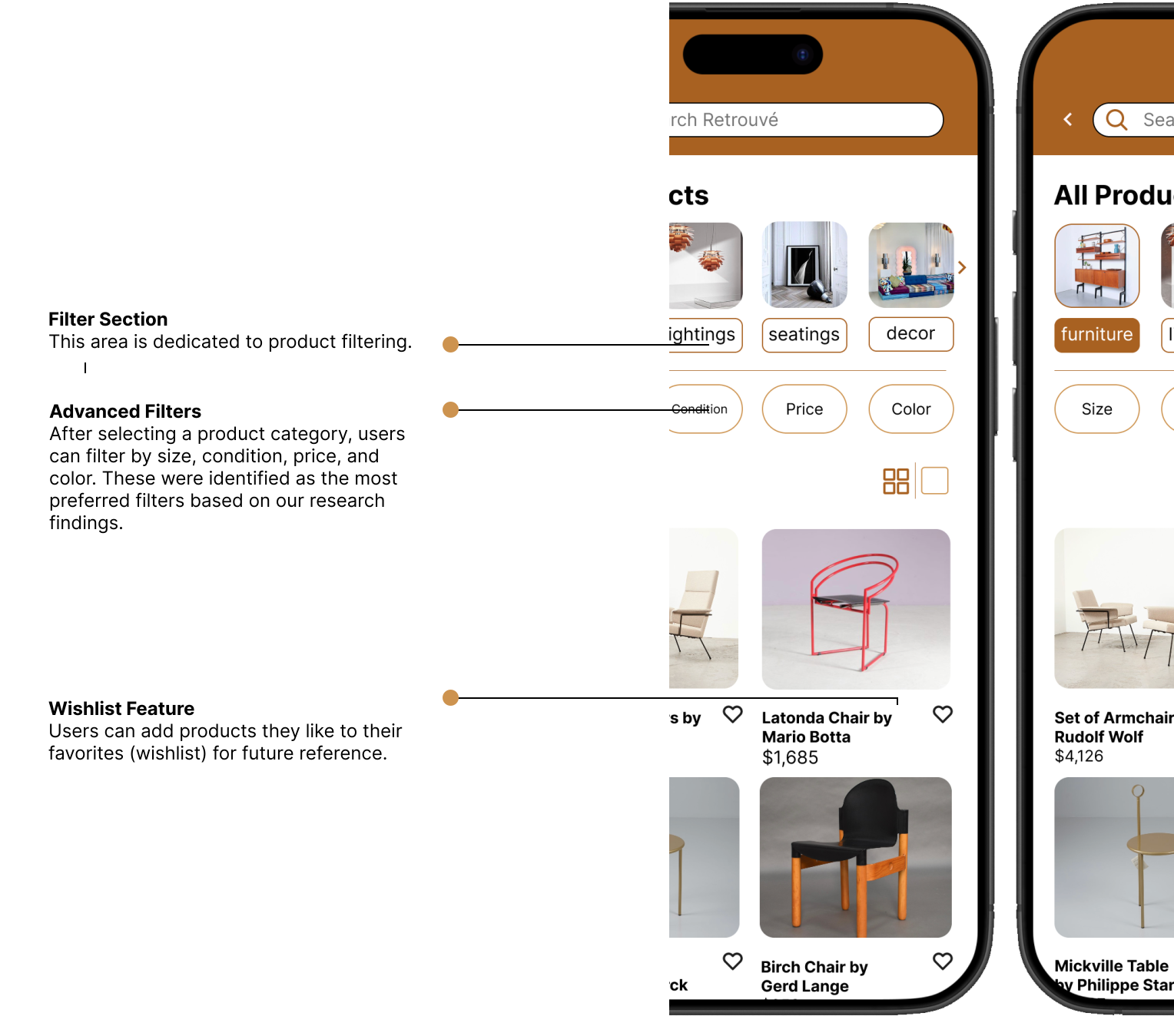
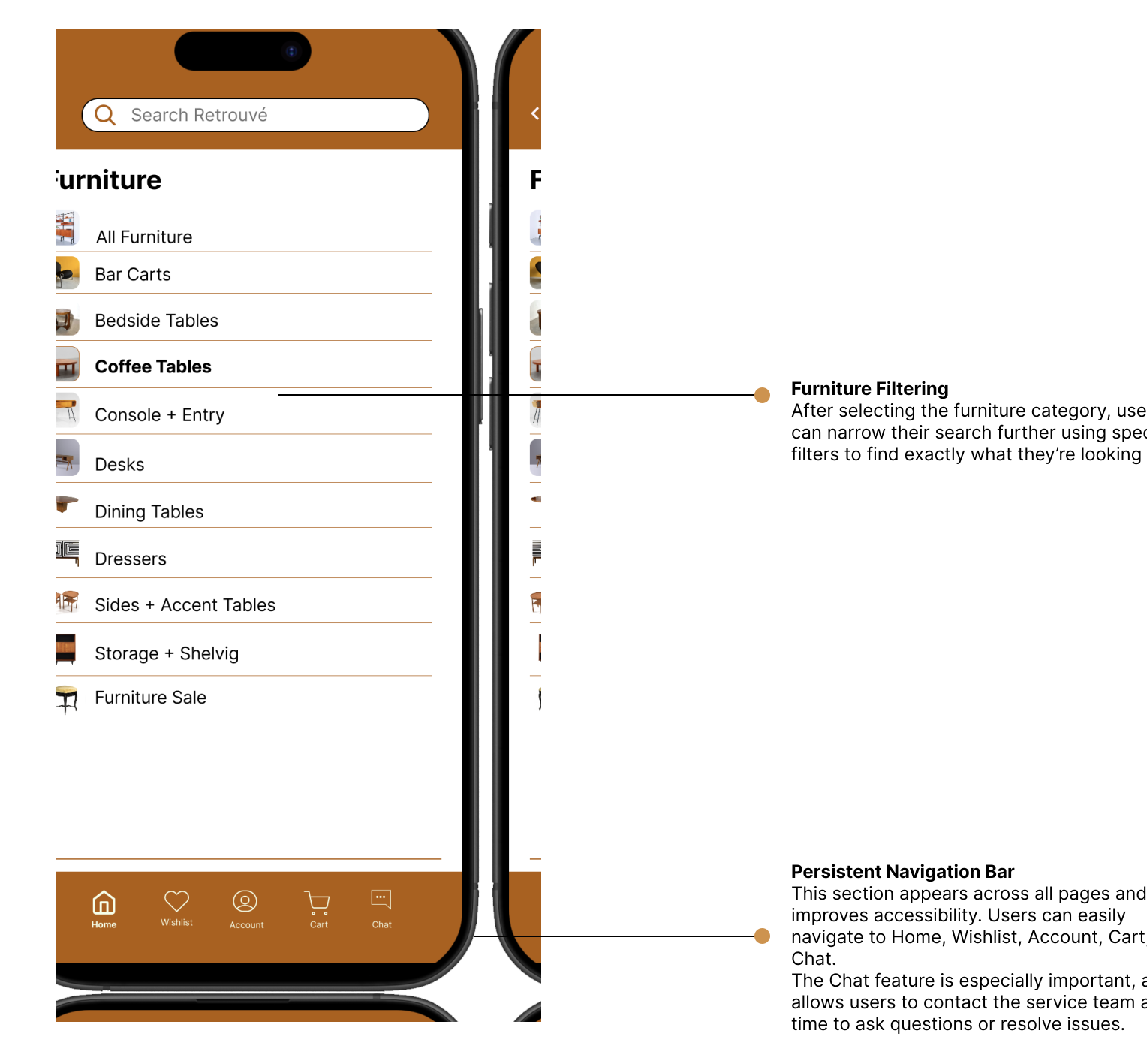
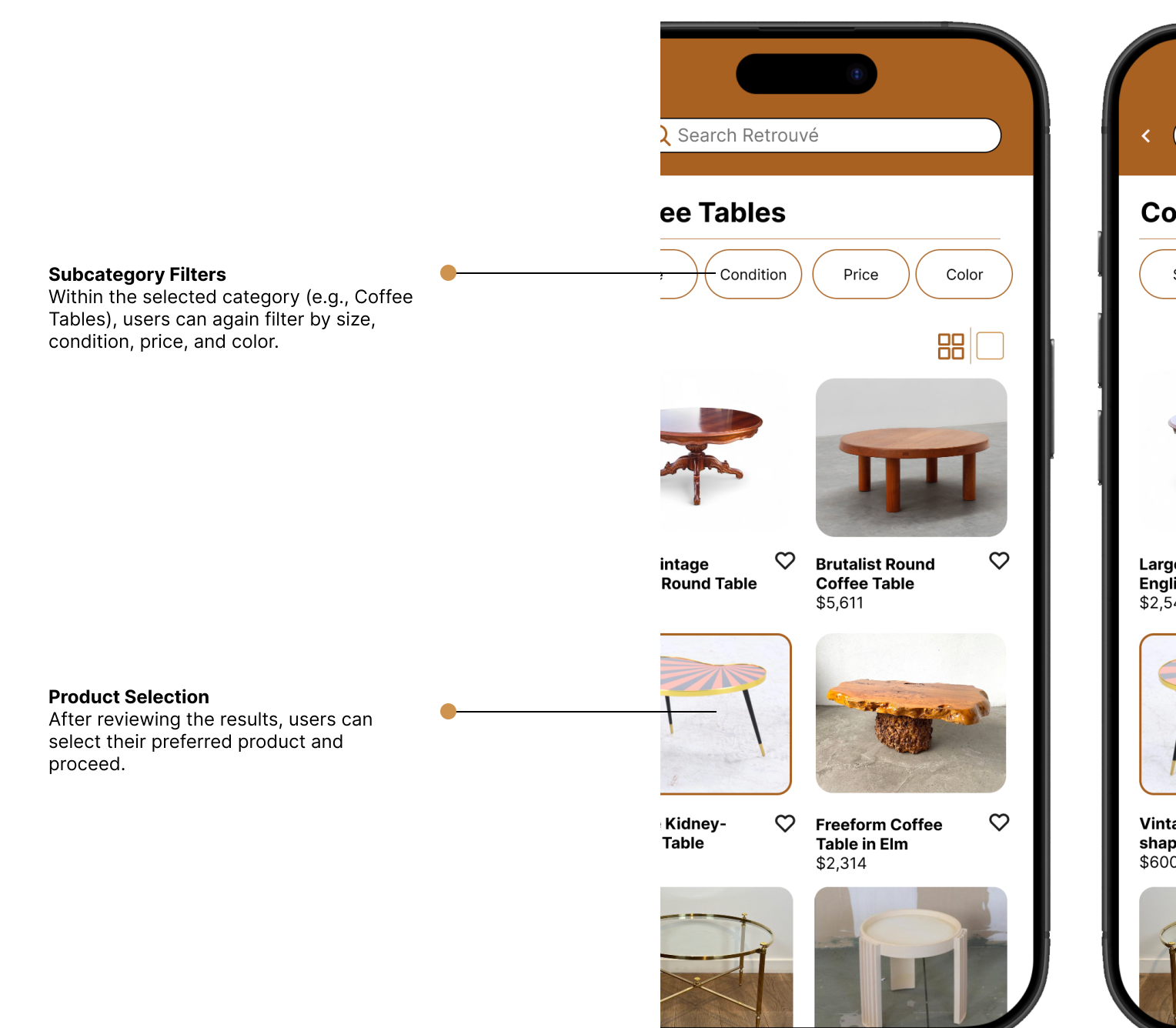
Users also felt overwhelmed by cluttered interfaces and an excessive number of unfiltered results. Many expressed the need for stronger filtering tools based on dimensions, condition, and price.
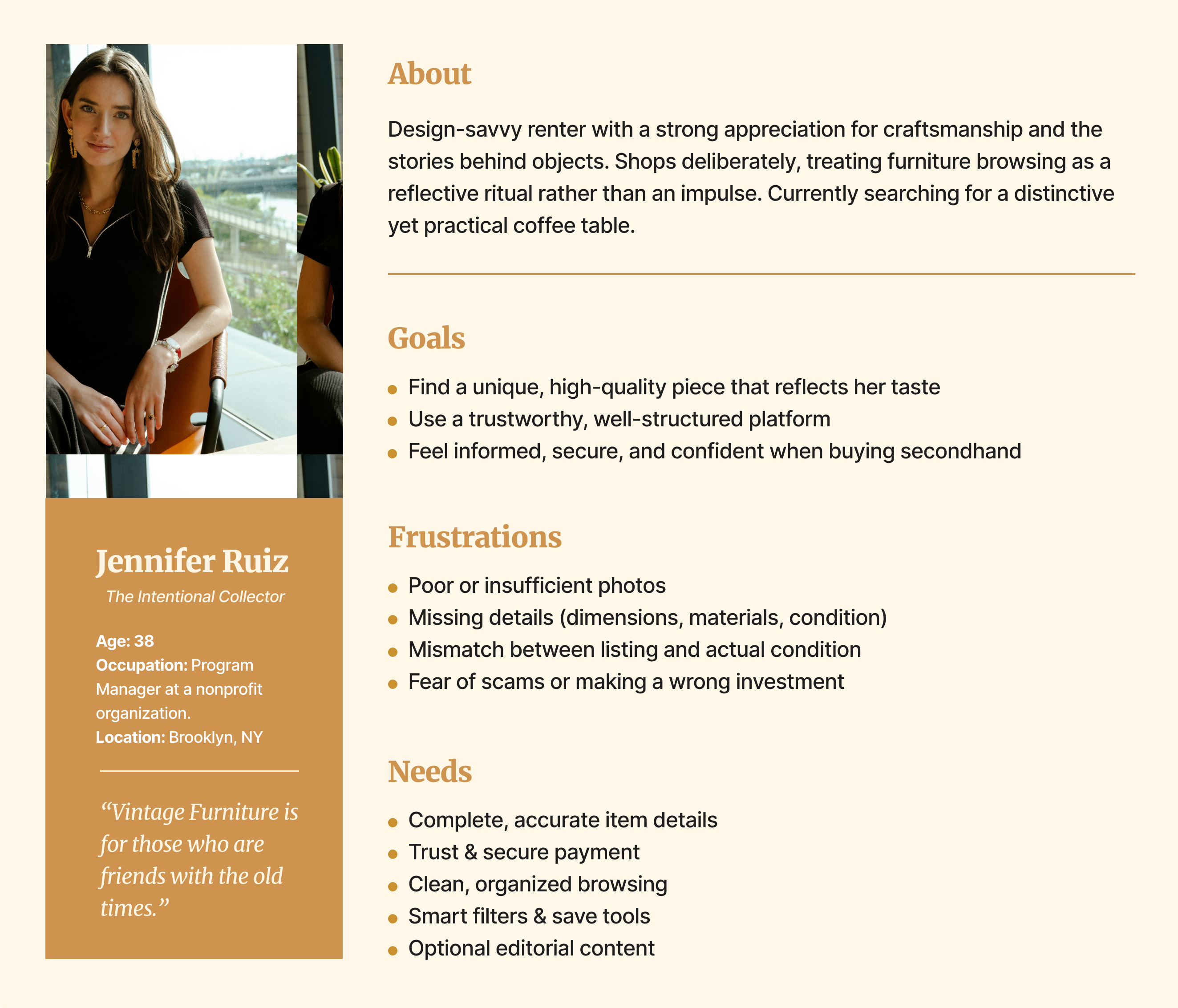
To better empathize with our users, we developed a primary persona based on insights gathered during the discovery stage: motivations, frustrations, goals and purchasing habits.
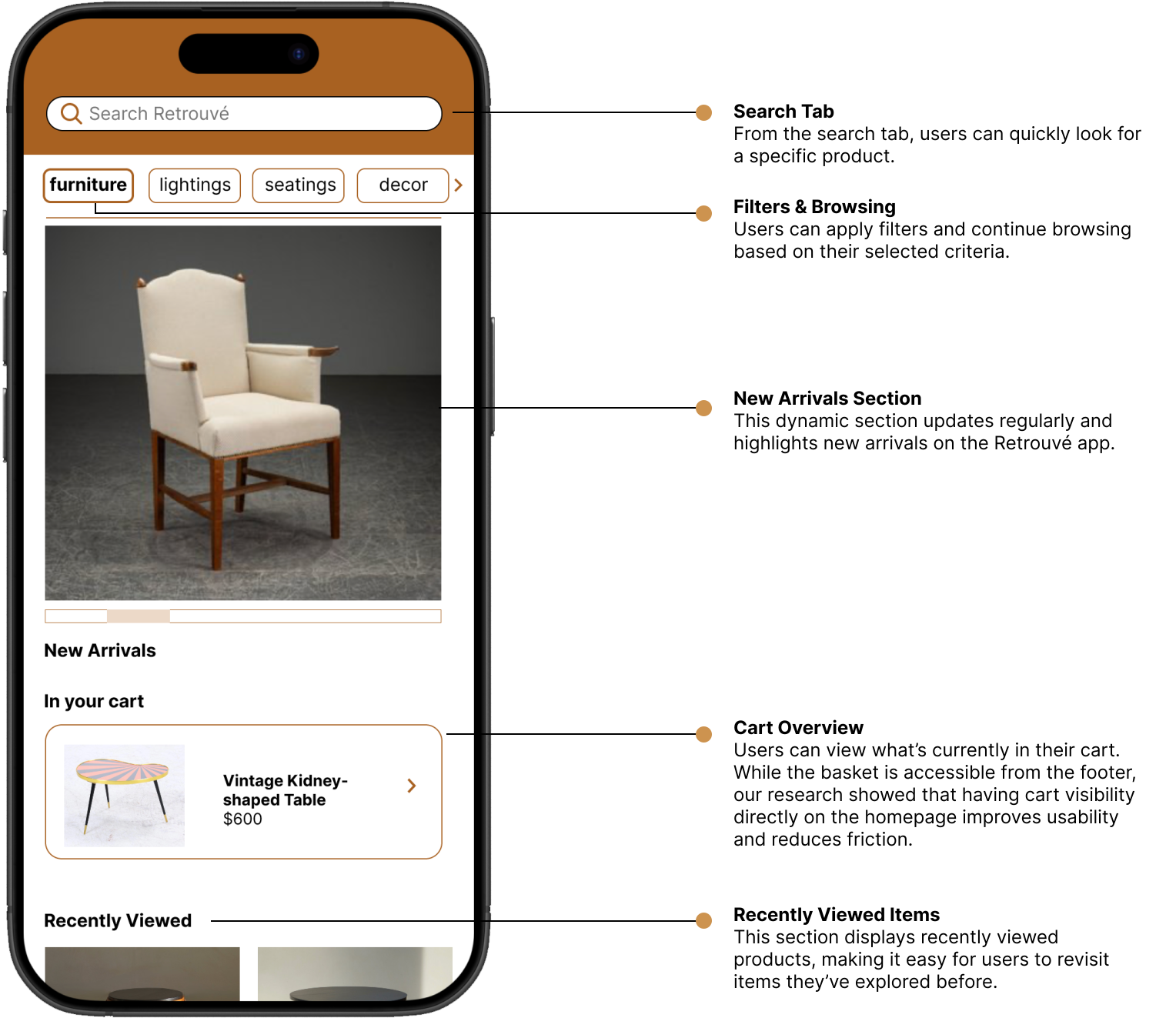
Based on our research findings and in order to meet users’ expectations and support the business objective, we designed three priority features with a modern and updated interface.
Live prototype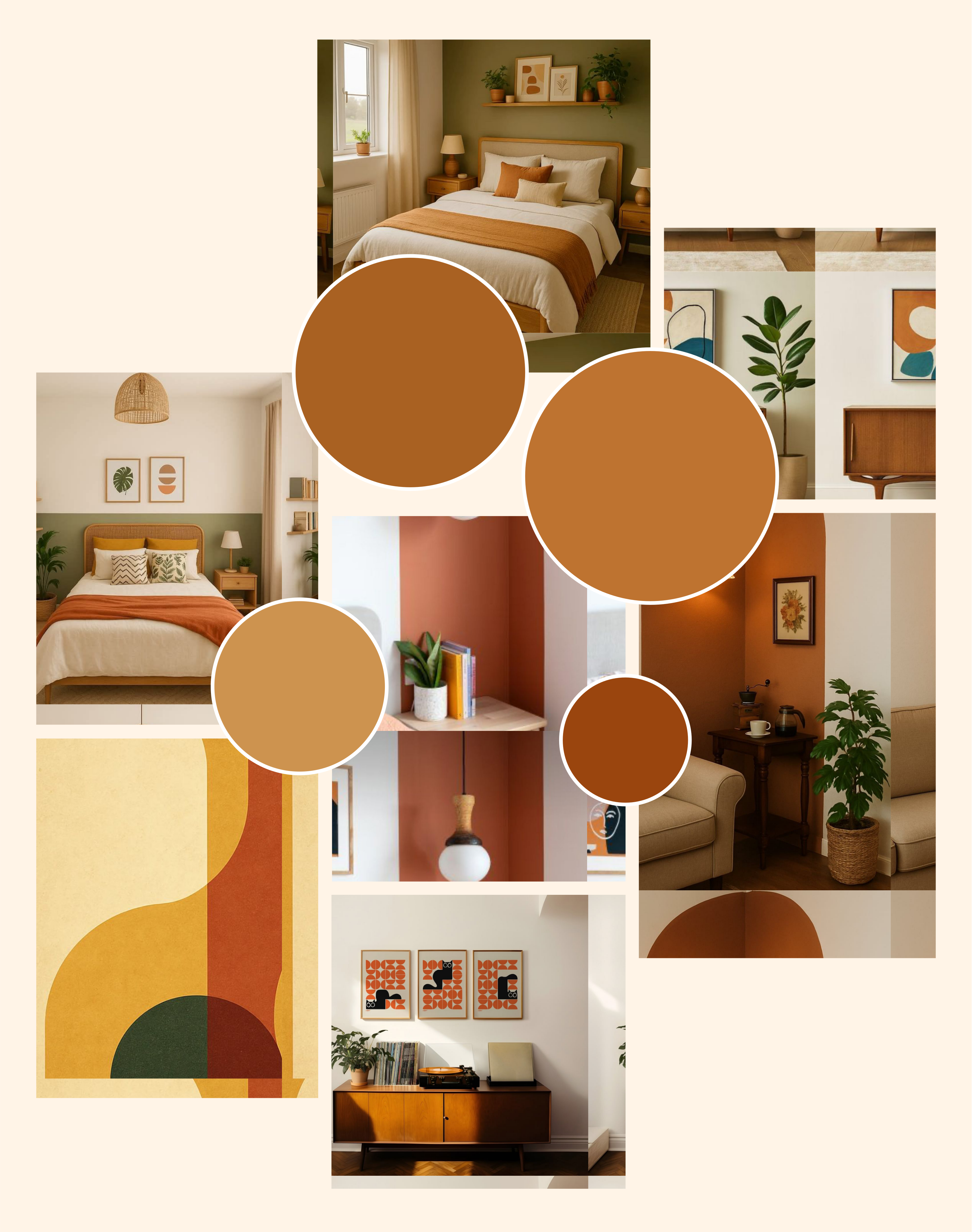
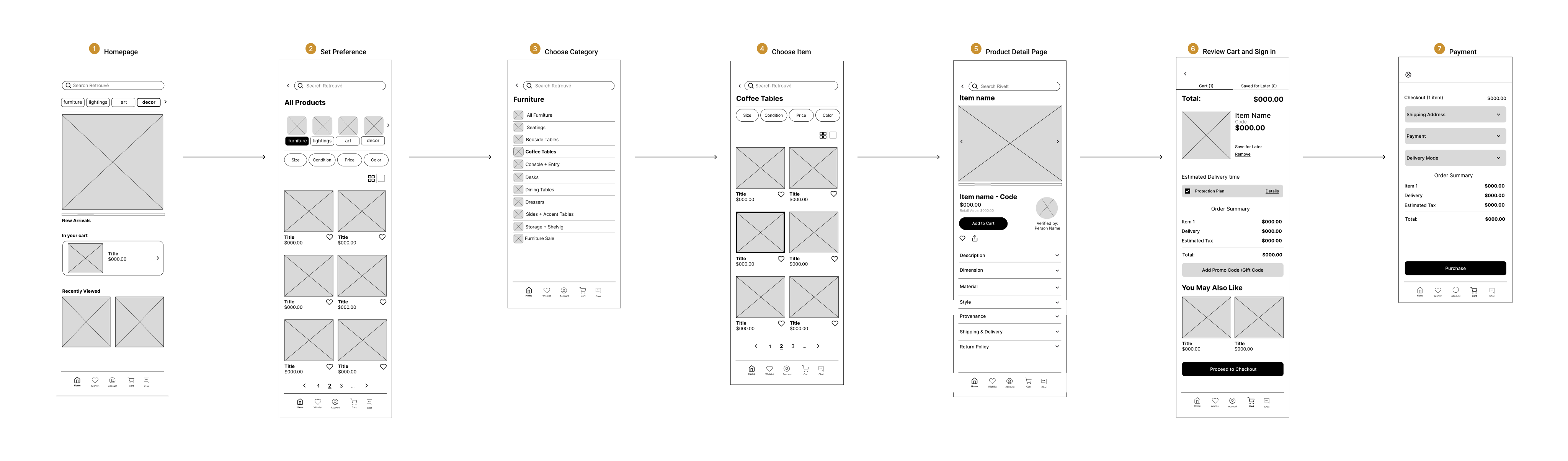
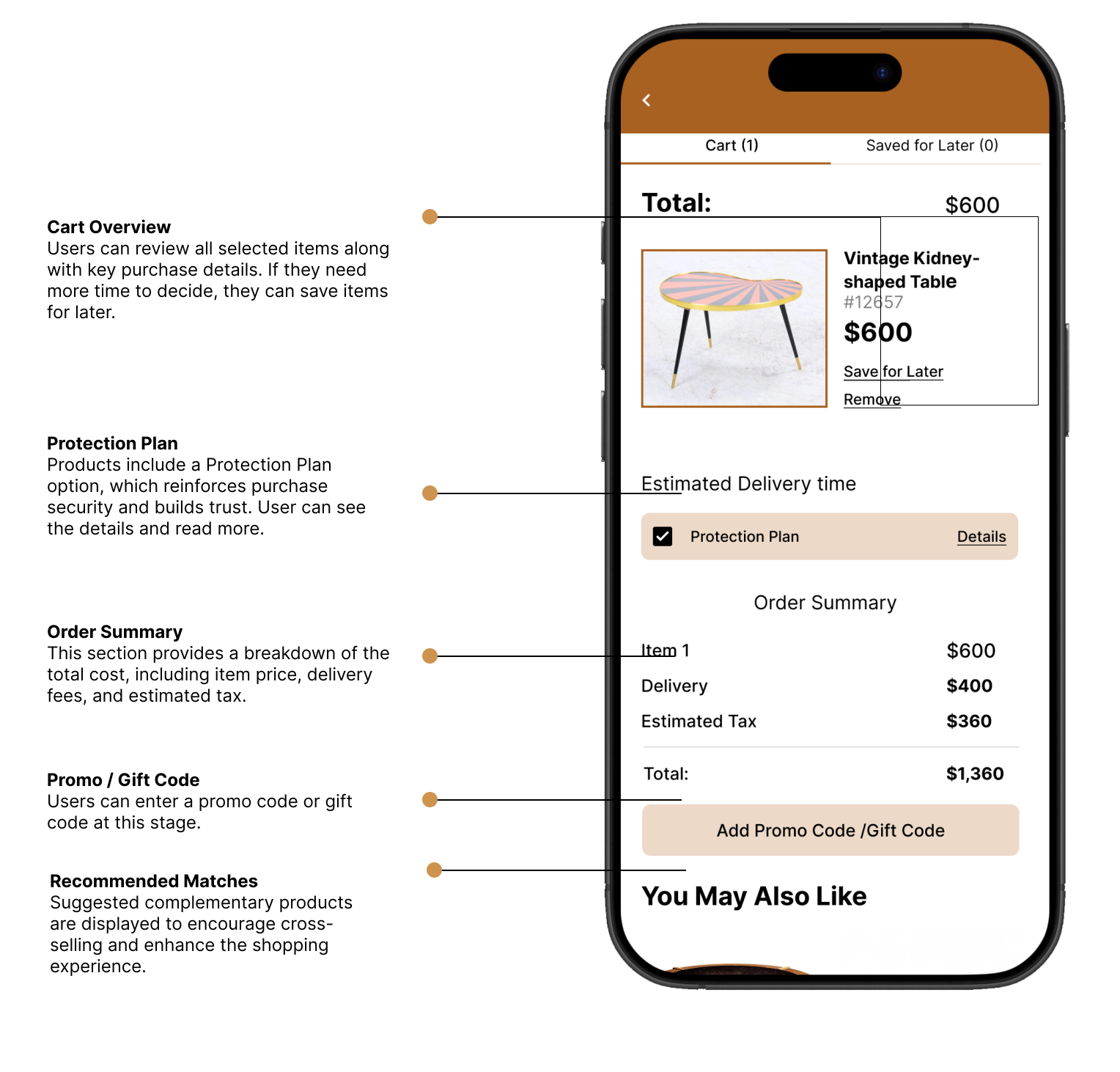
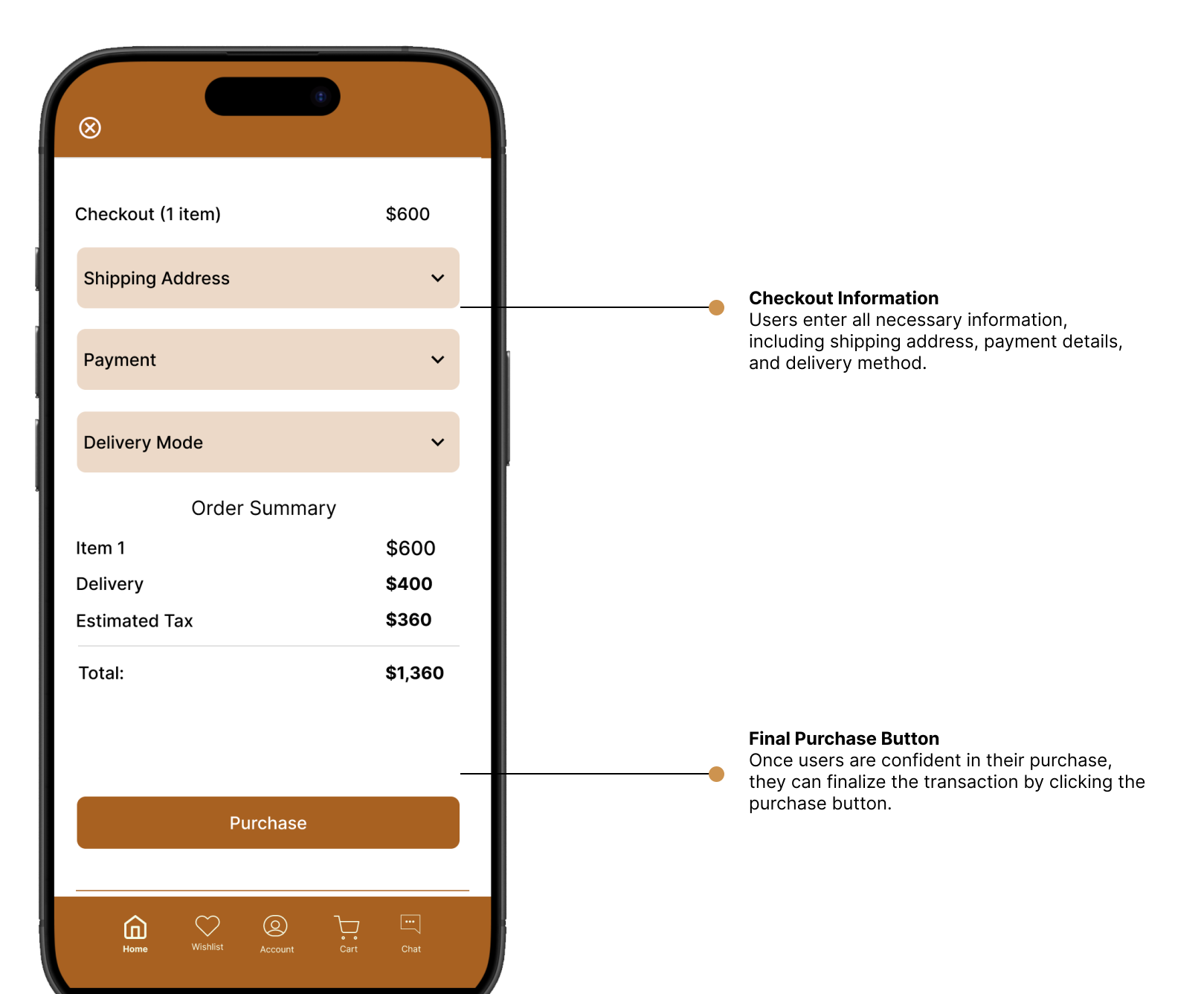
The following user flow shows a scenario for a first-time user browsing curated listings, comparing details, and confidently completing a purchase with clear condition and dimension information.
For the next steps, more testing will be needed to determine the usability of the Instant Purchase feature and whether users feel confident buying vintage items without seeing them in person.
In addition, we’ll need to test the AR “Visualize in Space” feature in real-world settings to identify any difficulties users may have with sizing, placement, or lighting.
It’s important to note that for this practice, certain constraints were not fully considered, such as shipping limitations, item fragility, or verification of authentic vintage pieces, which will need to be addressed in future iterations.